Exploring the psychology of gambling at casinos
The Allure of Casinos
Casinos are often seen as glittering havens of excitement and escape, dazzling their patrons with lights, music, and the thrill of the unknown. This atmosphere is not merely an accident; it is carefully crafted to evoke emotional responses that encourage prolonged engagement. The psychological allure stems from the combination of sensory stimulation and the promise of financial reward, both of which activate the brain’s reward system. This engagement stimulates emotions like excitement and hope, drawing individuals into a captivating experience that can easily overshadow their rational thinking.
Moreover, the physical design of casinos plays a significant role in attracting gamblers. They are strategically structured to maximize the time spent by players on the gaming floor. There are no windows or clocks, creating an environment disconnected from the outside world. This disorientation can lead to a feeling of timelessness, prompting players to linger longer than they initially intended. As players continue to gamble, their anticipation of winning can cloud judgment, reinforcing the cycle of continued play.

Cognitive biases significantly impact the decision-making processes of gamblers. One of the most common biases is the illusion of control, where individuals believe they can influence the outcome of a game purely based on their actions, despite the inherent randomness involved. This belief can be especially potent in games that appear to involve skill, such as poker or blackjack, leading players to engage in riskier behavior. The illusion of control strengthens the emotional connection to gambling and can perpetuate a cycle of gambling activity.
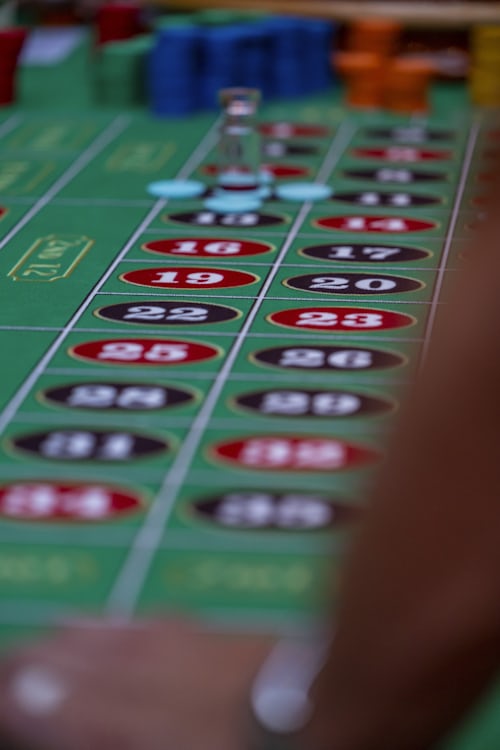
Another pervasive cognitive bias within gambling is the gambler’s fallacy, which is the belief that past results can affect future outcomes in random events. For instance, if a particular number hasn’t appeared in a while on a roulette wheel, players might feel it’s “due” to win soon. This misconception not only affects betting patterns but also serves to sustain hope, encouraging players to keep wagering even when they should walk away. These biases demonstrate how psychological factors can distort perceptions of risk and reward in gambling environments.
The Role of Social Factors
Social interactions within casinos significantly influence gambling behavior. The communal aspect of playing alongside others can amplify emotions and create a sense of camaraderie. Some individuals may feel more emboldened to take risks when they are surrounded by peers or the energy of the crowd. This social reinforcement can lead to more significant spending and prolonged gambling sessions, as players feed off each other’s excitement and enthusiasm.
The Emotional Rollercoaster of Gambling
The emotional highs and lows experienced during gambling can create a powerful psychological pull for many individuals. Winning can lead to euphoria, igniting feelings of achievement and validation. Conversely, losing can evoke feelings of frustration, shame, and a desire to chase losses in a bid to regain what was lost. This rollercoaster of emotions can create an addictive cycle, where the anticipation of winning overshadows the realities of losing.
Learn More on Our Website
If you’re fascinated by the psychological nuances of gambling, consider exploring a wealth of resources available for further understanding. Our website delves into various aspects of gambling, including its mental, emotional, and social dimensions. Whether you’re a casual gambler or someone looking to understand the underlying mechanisms, you’ll find valuable insights to enhance your knowledge.
Moreover, if you’re interested in online gaming experiences that resemble the thrill of physical casinos, we guide you through the landscape of virtual gambling. For those seeking the thrill of wins from the comfort of their homes, check out our best online casino australia real money recommendations. We emphasize responsible gambling practices and provide resources for anyone wanting to navigate this complex world safely and knowledgeably.